
What Makes a Website Mobile-Friendly in 2026?
This article explains what makes a website mobile-friendly. In 2026, having a mobile-friendly website is no longer a luxury; it’s a critical necessity. With most users accessing the internet via mobile devices, businesses that fail to optimize their sites for mobile traffic risk losing visitors, customers, and revenue.
Search engines like Google also reward mobile-optimized websites with better rankings, meaning a mobile-friendly site isn’t just about user experience; it’s also about visibility in search results.
But what exactly makes a website mobile-friendly in 2026? What standards, practices, and technologies should your site meet to be effective on smartphones and tablets?
In this article, we’ll break down everything you need to know about mobile optimization, new trends in mobile web design, and why mobile-friendly websites are essential for success in the coming years.
Why Mobile Optimization Is No Longer Optional
1. Mobile Usage Dominates Web Traffic
As of 2026, mobile devices are responsible for over 70% of global website traffic, and this number continues to rise. People now use their smartphones for everything, browsing, shopping, banking, and interacting with brands. If your website isn’t optimized for mobile, you’re excluding a massive portion of your audience.
2. Google’s Mobile-First Indexing
Over the past decade, Google has implemented mobile-first indexing, meaning the mobile version of your site is considered the “primary version” when determining your search engine ranking. If your website performs poorly on mobile, you’re likely to face lower rankings, less visibility, and decreased organic traffic.
3. User Expectations Have Evolved
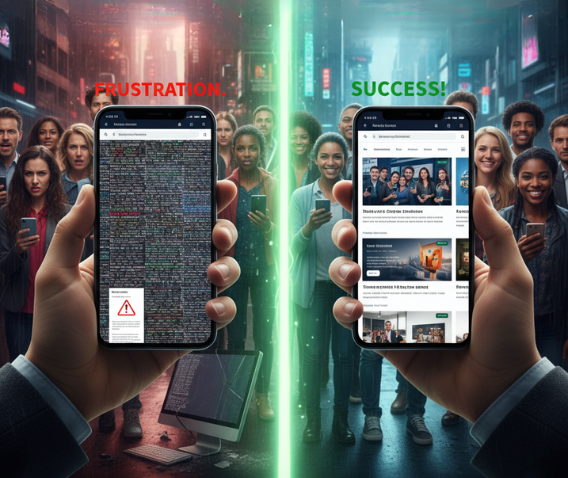
Website visitors in 2026 don’t just prefer mobile-friendly sites; they expect them. People want fast-loading pages, easy navigation, and seamless interactions on their smartphones. If your site is hard to use or slow to load on mobile, visitors will quickly leave and turn to a competitor with better functionality.
4. E-Commerce Depends on Mobile
The shift toward m-commerce (mobile commerce) means a growing number of users are purchasing products and services directly from their phones. If your e-commerce website isn’t optimized for mobile, you risk losing customers at critical points, like checkout.

What Makes a Website Mobile-Friendly in 2026?
To meet modern mobile optimization standards, your website must offer a superior user experience across all mobile devices. Below are the core features that define a mobile-friendly website:
1. Responsive Design
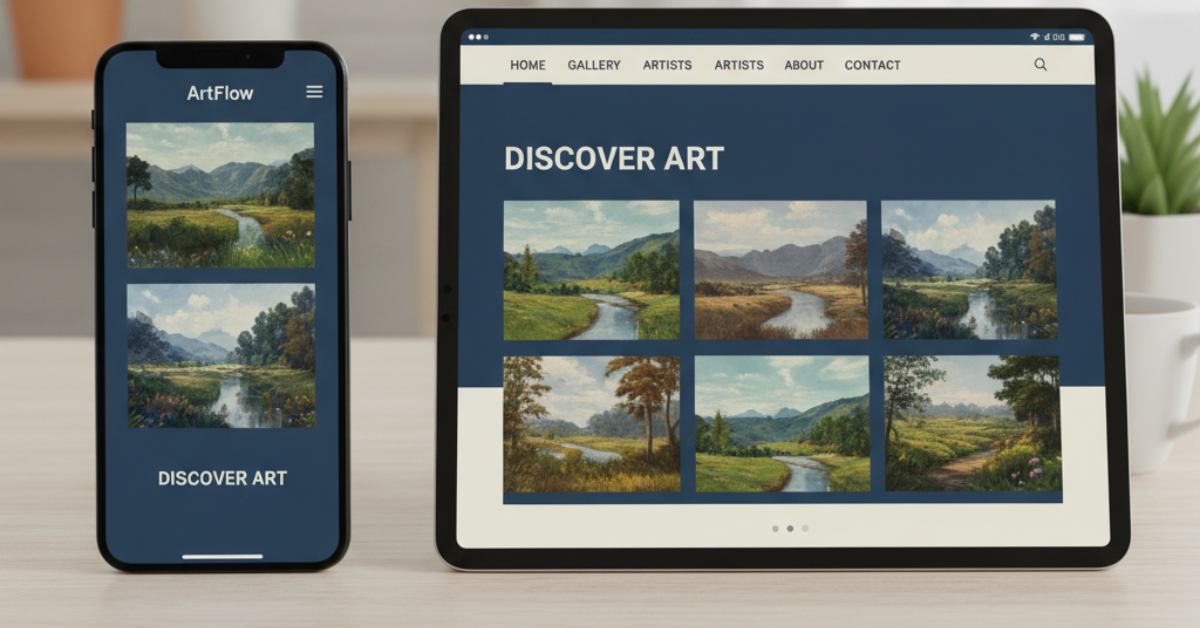
A responsive website automatically adapts to any screen size or device, ensuring that the site looks and functions well on smartphones, tablets, and desktops. Instead of creating separate mobile and desktop versions, responsive design uses fluid grid layouts, flexible images, and CSS media queries to adjust your website’s elements dynamically.
- Why It’s Important: Visitors should have a consistent experience across devices, whether they’re on a small Android phone or a large tablet.
2. Fast Load Speeds
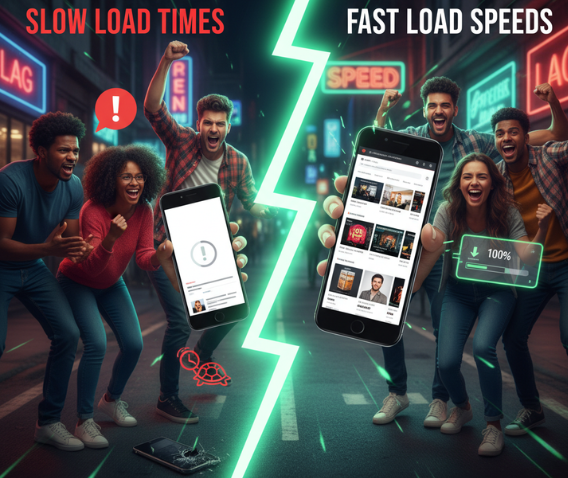
In 2026, slow-loading sites are simply unacceptable. Users expect websites to load in 2 seconds or less, especially on mobile devices, where internet speeds can vary depending on connection quality.
- How to Improve Page Speeds for Mobile:
- Compress images without losing quality.
- Minimise websites’ CSS, JavaScript, and HTML.
- Implement lazy loading, where content loads as users scroll.
- Use Content Delivery Networks (CDNs) for global content distribution.
- Why It’s Important: Google’s Core Web Vitals rankings place significant emphasis on mobile page speed. Slow sites lose both SEO rankings and impatient users.
3. Touch-Friendly Navigation
Mobile users rely on touch gestures like tapping, swiping, and pinching. A mobile-friendly website must have intuitive navigation designed for touch interaction:
- Key Features:
- Larger, tappable buttons (at least 48px by 48px).
- Easy-to-use hamburger menus for smaller screens.
- Preventing accidental clicks by spacing links and buttons adequately.
- Why It’s Important: A clunky or frustrating navigation system leads to higher bounce rates and fewer conversions.
4. Readability Without Zooming
One of the most basic requirements for a mobile-friendly website is text readability. Users shouldn’t have to pinch to zoom just to read your content.
- How to Improve Text Readability:
- Use scalable fonts (minimum of 16px for body text).
- Ensure proper colour contrast for accessibility.
- Avoid fixed text widths that cut off on small screens.
- Why It’s Important: Legible text keeps visitors engaged and improves their overall experience.

5. Mobile-Specific Features
In 2026, creating a truly mobile-friendly site means embracing features and functionality tailored specifically to mobile devices:
- Click-to-Call Buttons: Allow users to call your business directly with one tap.
- Location-Based Services: Integrate GPS for directions or nearby store locations.
- Voice Search Optimization: Optimize for speech recognition as mobile users increasingly rely on voice assistants like Siri, Google Assistant, and Alexa.
- Mobile-Focused Pop-Ups: Use pop-ups sparingly and ensure they don’t obstruct the entire screen.
6. SEO-Ready for Mobile
Mobile SEO ensures your website is optimized to rank high in search results for mobile users. Here’s a quick mobile SEO checklist:
- Mobile-Friendly Test: Use Google’s tool to check how well your site performs on mobile devices.
- AMP Pages: Accelerated Mobile Pages (AMP) provide faster-loading alternatives for mobile content.
- Schema Markup: Structured data that makes your mobile results stand out in Google search.
7. Accessibility and Inclusivity
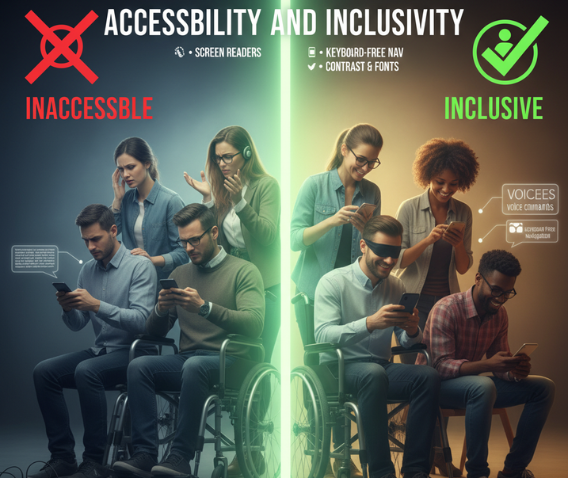
Websites in 2026 must go beyond basic usability; they must also be accessible to all users, including those with disabilities. Mobile web accessibility ensures inclusivity by:
- Supporting screen readers for visually impaired users.
- Allowing keyboard-free navigation.
- Ensuring contrast ratios and font sizes are adequate for those with low vision.
Examples of Mobile-Friendly Trends in 2026
Here are a few trends shaping mobile web design in 2026:
- Minimalist Design: Simplified designs with fewer elements to ensure faster load times and better usability.
- Motion UI: Subtle animations and transitions enhance the user experience while keeping mobile navigation smooth.
- Dark Mode: Allows users to switch to darker themes for comfort and battery efficiency.
- Progressive Web Apps (PWAs): Blurring the line between mobile apps and websites, PWAs allow users to enjoy app-like functionality directly in their browsers.
- AI-Powered Personalisation: Mobile sites use AI to customise experiences for users, such as recommending products based on browsing history.
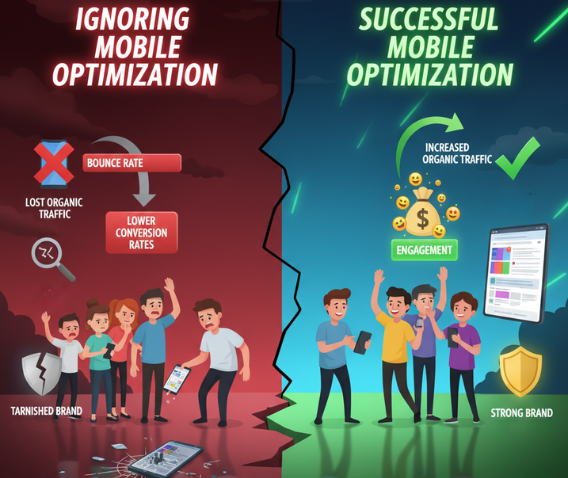
The Consequences of Ignoring Mobile Optimization
Failing to optimize your site for mobile in 2026 doesn’t just hurt your online presence; it has serious business consequences:
- Increased bounce rates, as users will leave your site if it doesn’t meet their expectations.
- Lost opportunities for organic traffic, since Google penalises non-mobile-friendly sites.
- Lower conversion rates as visitors avoid slow, cumbersome websites.
- A tarnished brand reputation as you appear out of touch with modern web standards.
Final Thoughts
In 2026, a mobile-friendly website is not just a bonus; it’s a business necessity. Whether you’re targeting more traffic, better SEO rankings, or a superior user experience, mobile optimization is the foundation of success online.
We specialise in building websites that are not just mobile-friendly but mobile-first. Let us help you create a site that performs seamlessly across all devices in this mobile-driven world. You can take a look at our Web Design services here.
Contact Us today if you have any questions about our Web Design packages.