

The Importance of Local SEO and How to Rank Locally
This article is going to explain the Importance of Local SEO and how you can rank locally. In today’s digital age, targeting the right audience is critical to growing your business, and Local SEO is one of the most effective ways to connect with nearby customers.
Whether you own a restaurant, salon, or plumbing business, appearing in local search results can make all the difference in driving foot traffic and attracting leads.
So, why is local SEO so important, and how can you optimize your business to rank locally? Let’s break it down.
What Is Local SEO?
Local SEO is the process of optimizing your website and online presence to rank for geographically targeted search terms. Think of phrases like:
- “best café near me”
- “top dentists in [city]”
- “cheap lawn care services [zip code]”
It focuses on ensuring local customers, those searching for services in your area, find your business easily when they search on Google or other platforms.
Why Local SEO Matters
Here’s why local SEO is crucial for your business:
1. Most Consumers Search Locally
Research shows that 46% of Google searches are location-based. When someone searches for services “near me,” your local SEO determines whether they’ll find your business or a competitor’s.
2. It Drives Foot Traffic to Businesses
Local SEO is essential for brick-and-mortar businesses that rely on walk-ins. People searching for “restaurants near me” or “coffee shops open now” usually want immediate results.
3. Users Trust Local Businesses
Consumers are 2x more likely to click on businesses that show in their Google 3-pack, the top 3 results for local searches seen on Google Maps. Securing a spot here boosts your visibility and credibility.
4. It’s Cost-Effective Marketing
Compared to paid ads, local SEO is more budget-friendly and sustainable. Once optimized, local pages can continue to rank with consistent maintenance.
How to Rank Locally: A Step-by-Step Guide
1. Optimize Your Google Business Profile
Your Google Business Profile (formerly Google My Business) is the foundation of local SEO. Make sure to:
- Claim and verify your business listing.
- Add accurate contact information, including your address, phone number, and website URL.
- Include business categories (e.g., “Italian Restaurant,” “Car Wash”).
- Upload high-quality photos of your location, products, and services.
- Encourage customers to leave reviews; they boost your ranking!
2. Use Local Keywords
Keywords help Google understand what your business offers and where you’re located. For example:
- Instead of “best wedding photographer,” try “best wedding photographer in Manchester” or “wedding photographer near Derby.”
To rank locally: - Conduct keyword research using tools like Google Keyword Planner or Ubersuggest.
- Write blog posts targeting local events, festivals, or community topics related to your business.
3. Optimise Your Website for Local SEO
Your website plays a critical role in local rankings. Here’s what to focus on:
- Location Pages: If you operate in multiple cities, create dedicated location pages optimized with local keywords. Example: “HVAC Services in Denver.”
- NAP Consistency: Ensure your Name, Address, and Phone number are consistent across your website and all online platforms.
- Schema Markup: Use local business schema markup (structured data) to help search engines better understand your location.
4. Build Local Citations
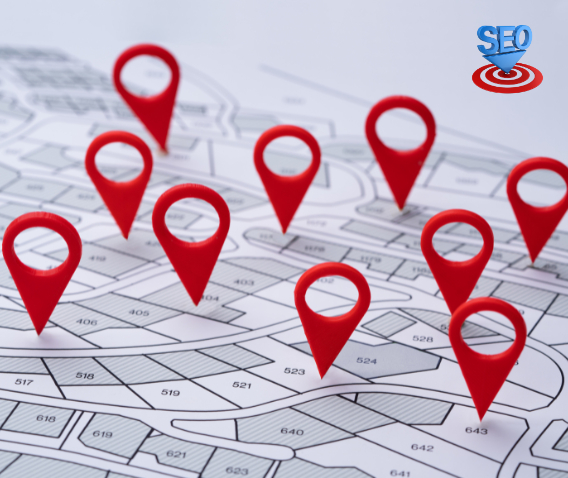
Citations are mentions of your business name, address, and phone number on other websites. To boost local SEO:
- List your business on local directories like Yelp, Yell, and Bing Places.
- Add your details to industry-specific directories (e.g., TripAdvisor for hotels).
- Ensure all your information matches exactly; inconsistencies can hurt rankings.
5. Focus on Reviews and Reputation Management
Reviews not only help build credibility but are also significant ranking signals for local SEO. To leverage reviews:
- Encourage happy customers to leave reviews on Google, Yelp, or Facebook.
- Respond to reviews professionally, especially negative ones.
- Use tools like Trustpilot or Review Trackers to monitor reviews across platforms.

6. Optimize for Mobile Users
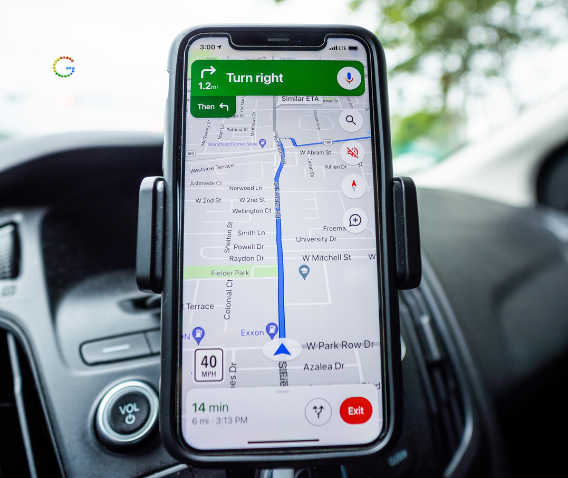
Most people search locally via their smartphones. To accommodate mobile searches:
- Ensure your website is mobile-responsive and loads quickly.
- Focus on mobile-friendly CTAs (“Call Now,” “Get Directions”).
- Make it easy for users to find your contact information when browsing on a device.
7. Leverage Local Content Marketing
Creating content that resonates with your community can boost your visibility. Try these ideas:
- Write blogs on community events or industry trends in your area.
- Host or sponsor local events and promote them on your blog.
- Use social media platforms to share location-specific updates.
8. Use Maps & Geo-Targeted Ads
Beyond organic SEO, you can amplify your reach using tools like Google Local Services Ads or Facebook location-based ads. These ads ensure that nearby potential customers see your business prominently.
Bonus Tips
- Track Your Results: Use tools like Google Analytics and Google Search Console to monitor traffic for local pages.
- Get Backlinks from Local Websites: Partner with local bloggers or journalists for press mentions.
Final Thoughts on the Importance of Local SEO
The importance of local SEO ensures your business is visible to the right audience, the people searching for solutions in your area. By optimizing your Google Business Profile, targeting local keywords, and focusing on reviews, you’ll attract nearby customers and boost engagement, both online and offline.
Do you want help to grow your business’s local ranking and thrive in your community? We specialise in Local SEO strategies designed to drive traffic and leads. We also provide GBP (Google Business Profile) services. Contact Us today and dominate the 3-pack listings!